How to Vet a California Heli-Ski Booking Before You Pay

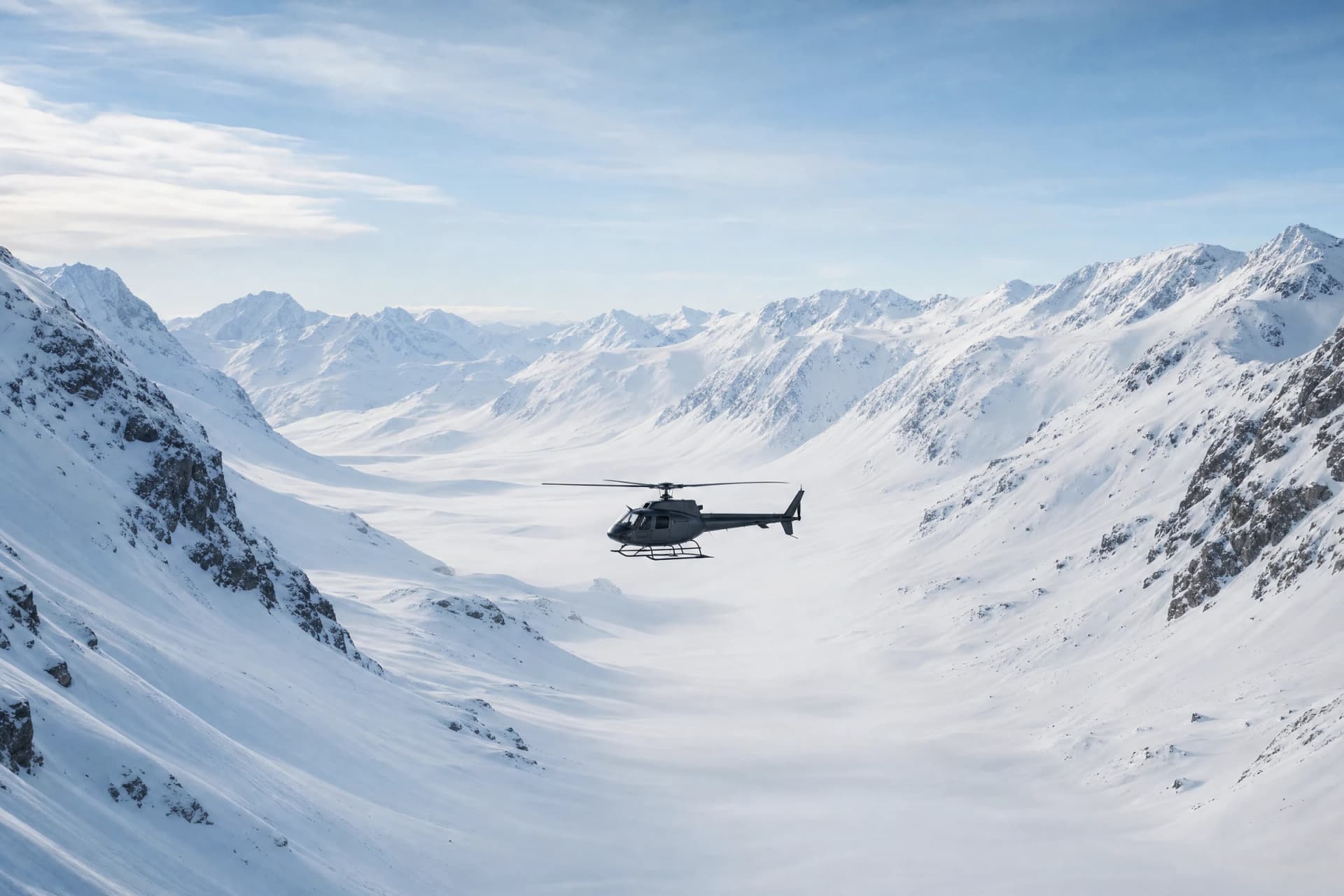
The launch story is now historical. The San Francisco Chronicle reported on November 15, 2025 that Sweetwater Heli planned regular trips for 2026; Abridged reported on February 12, 2026 that the company had launched earlier that year.
That establishes the news chronology. It does not establish that a particular date is available now, that a trip will operate in a particular weather window, or that the terms described in an older report still apply on the day you want to book.
For an informed skier, the sensible next step is a booking audit.
1. Is my exact date actually confirmed?
Ask for a written answer to four separate questions:
- Is the date open for booking?
- Is it a confirmed operating date or only a provisional reservation?
- When will the final go/no-go decision be made?
- What happens if the day cannot run?
A calendar showing an available date is not the same as a confirmed flight day. Treat the booking as weather-dependent until the operator’s written terms say otherwise.
If the heli day is attached to non-refundable lodging, flights, lift tickets or a fixed itinerary, ask how much notice the operator normally expects to give when conditions change. Do not build a tight connection around an assumed departure or return time.
2. What conditions can change the plan?
“Weather cancellation” can cover several different situations: no safe landing conditions, inadequate snow, poor visibility, high winds, an aircraft or staffing issue, or a decision that the terrain is not appropriate for the group.
Ask the operator to distinguish among:
- cancellation before arrival;
- cancellation after you have travelled to the meeting point;
- a delayed start;
- a shortened day;
- a change of terrain; and
- a day that begins but cannot deliver the expected program.
The practical point is not to predict the weather. It is to understand which decision leads to a refund, credit, rescheduling option or no compensation under the written booking terms.
3. What standard is expected from every guest?
Do not rely on a broad label such as “intermediate” or “advanced.” Ask what participants must be able to do repeatedly and under instruction.
Useful questions include:
- Must every guest be comfortable skiing or riding ungroomed snow?
- How much vertical or how many runs should a participant be prepared to complete?
- How are differences in speed, confidence and fatigue handled?
- What happens if one person cannot continue?
- Can a guest decline a run or end the day early?
- Is there a physical or medical screening process?
Heli-assisted skiing adds more than downhill skiing. Guests must manage loading and unloading, equipment transitions, regrouping, changing snow and guide instructions in unfamiliar terrain. The right ability question is therefore about repeatable performance and judgment, not whether someone can ski a difficult resort run once.
4. What is supplied—and what is not?
Ask for an itemized list rather than accepting a general statement that equipment or safety gear is included.
Clarify:
- avalanche equipment supplied by the operator;
- radio or communication equipment;
- any required training or briefing;
- skis, snowboards or other loan equipment;
- clothing and personal protective equipment;
- lunch, water and other food;
- transport to and from the meeting point; and
- anything that must be arranged with a third party.
If you plan to use rental or demo equipment, confirm compatibility in advance. A setup that works well on a groomed resort may not be the setup the operator wants in a helicopter or in the terrain selected for the day.
5. What does the day’s logistics really require?
Confirm the exact meeting location, arrival time, parking arrangements and expected return window. Ask whether the operator requires the entire day to remain flexible.
Also ask:
- Where do guests leave excess luggage?
- Is lodging-area transport included or merely available through a separate provider?
- How much time should be allowed for briefing and equipment checks?
- What is the latest realistic return time?
- What happens if a guest arrives late because of road conditions?
This matters particularly in the Eastern Sierra, where a plan that looks short on a map can depend on winter roads, chain controls, traffic, daylight and a return time that moves with conditions.
6. What happens if the group is not a good fit?
Ask before paying, not after the first run. The written terms should explain what happens if:
- the operator decides a guest is not ready to continue;
- a participant becomes ill or injured;
- the group cannot maintain the required pace;
- the selected terrain changes;
- a guest chooses to stop; or
- the day ends early for operational reasons.
There is a difference between a guest-initiated withdrawal, an operator decision based on suitability, and an operational cancellation. They may have different financial consequences.
7. What exactly are the cancellation and rescheduling terms?
Request the current terms in writing and check them against the payment page before completing the transaction. Look specifically for provisions covering:
- weather and safety cancellations;
- rescheduling and credits;
- guest-initiated cancellation;
- illness or injury before departure;
- late arrival;
- equipment or aircraft problems;
- an incomplete or shortened day; and
- the relationship between the heli booking and separate travel arrangements.
Do not assume that travel insurance covers every weather-related or operational outcome. If the cost is material, ask the insurer what documentation would be required and whether the activity is covered under the policy you are considering.
What can be verified—and what remains time-sensitive?
The independently reported fact is narrow: the Chronicle described a planned 2026 operation, and Abridged later reported that Sweetwater Heli had launched earlier in 2026. Those reports establish the launch chronology; they do not establish present-day availability, current pricing, current inclusions, guide staffing, aircraft availability or the outcome of a particular booking.
Use the operator’s current written terms for the offer, but treat them as commercial statements that need to be checked at the time of purchase. Ask direct questions where a booking page is vague, save the answers, and keep enough flexibility around the day that a weather decision does not unravel the rest of the trip.
That is the useful distinction between a launch report and a booking decision: the first tells you that a new option entered the market; the second depends on details that must be verified for your date, your group and your tolerance for uncertainty.
Related reading
Read next
Planning · Explainer
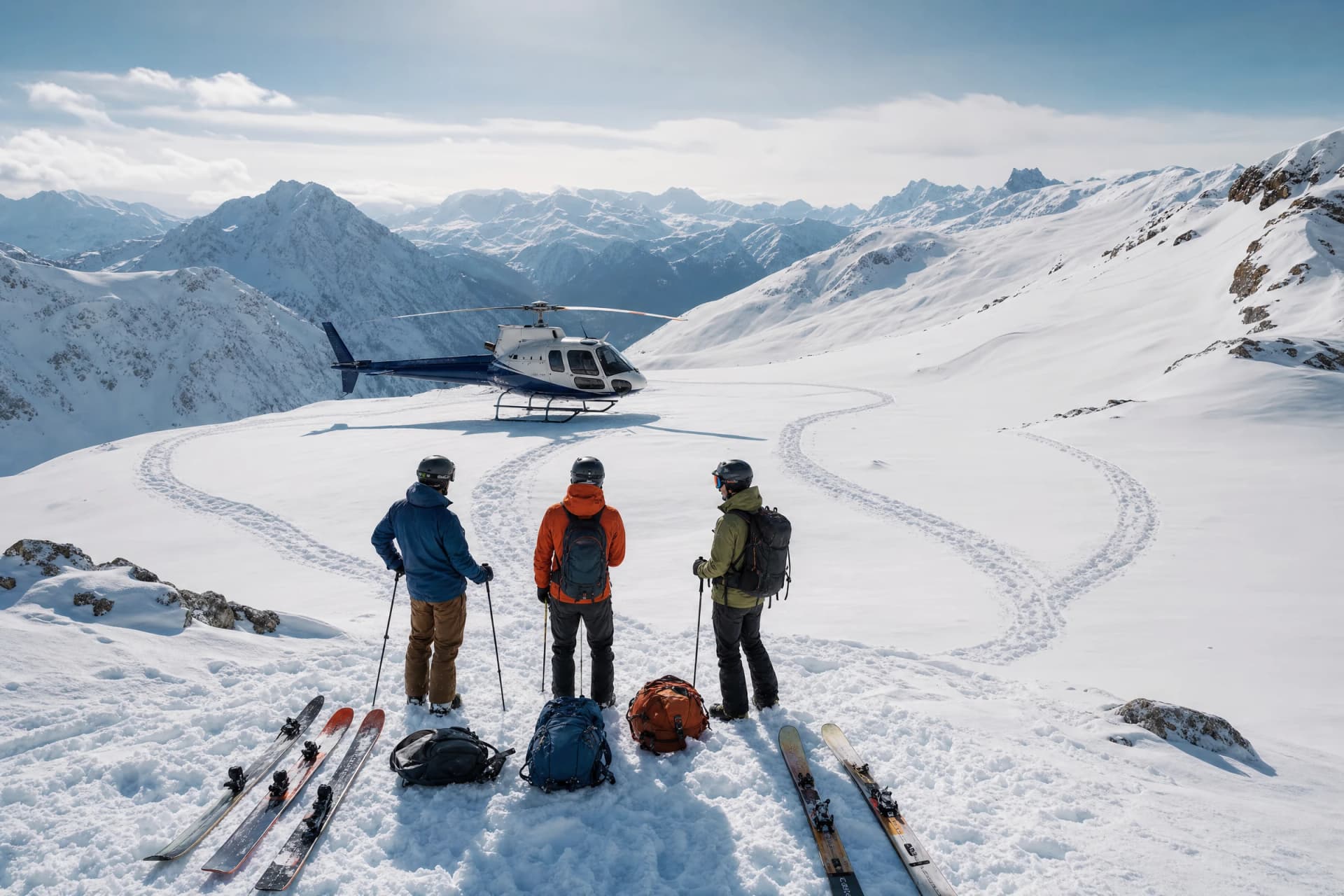
A Heli-Ski Trip Contingency Map
A question-led framework for choosing the next sensible option when ability, group composition, missing gear, weather or travel disruption alters a heli-ski trip.
25 Aug 2026

Snow & Safety · Explainer
From Regional Bulletin to Local Decision: What an Avalanche Forecast Can—and Cannot—Tell You
Public avalanche forecasts are regional information products. Research from western Canada explains why local observations still matter, and why a forecast rating should not be mistaken for a terrain-specific approval.
25 Aug 2026
Gear & Skills · Article
Bella Coola Heliski: Exclusive Wilderness Adventures with Heliski International
At Heliski International, we partner with the world’s top heliski operators to offer our clients the most unforgettable experiences in the mountains. Bella Coola Heliski, one of our exclusive operators, takes heliskiing to a whole new…
11 Feb 2025