Group format
Light singles usually serve one compact group. Medium twins can rotate several groups through the same cabin.

Field guide · Aircraft
Meet the mountain machines—and understand what each one changes about your ski day.
Explore the fleet© Heliski International
Beyond the brochure
The helicopter determines more than how you reach the top. It shapes the group, the pace between runs, the way you load and how far an operation can range across its terrain.
This guide separates certified aircraft figures from real heli-ski configurations. Every profile is sourced, dated and written for skiers—not aircraft sales teams.
Current field guide
From intimate light singles to the classic large-cabin workhorses.
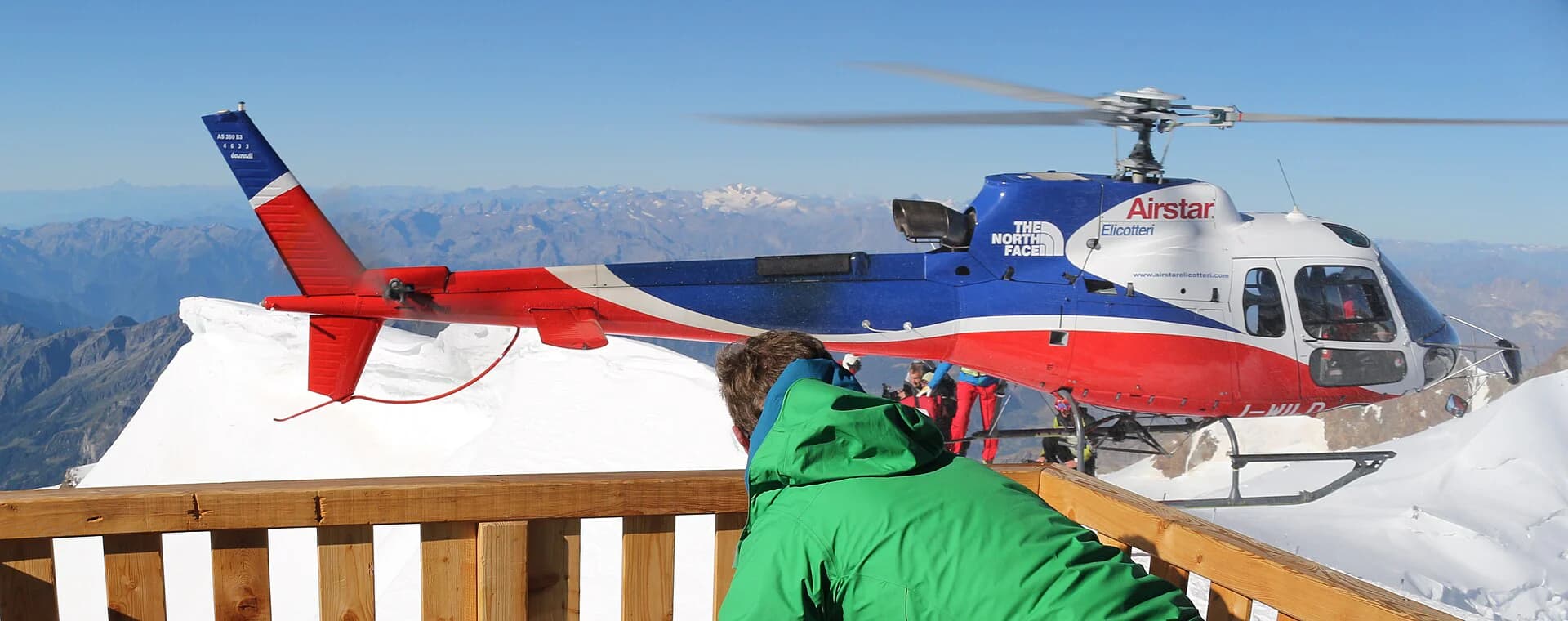
The mountain standard
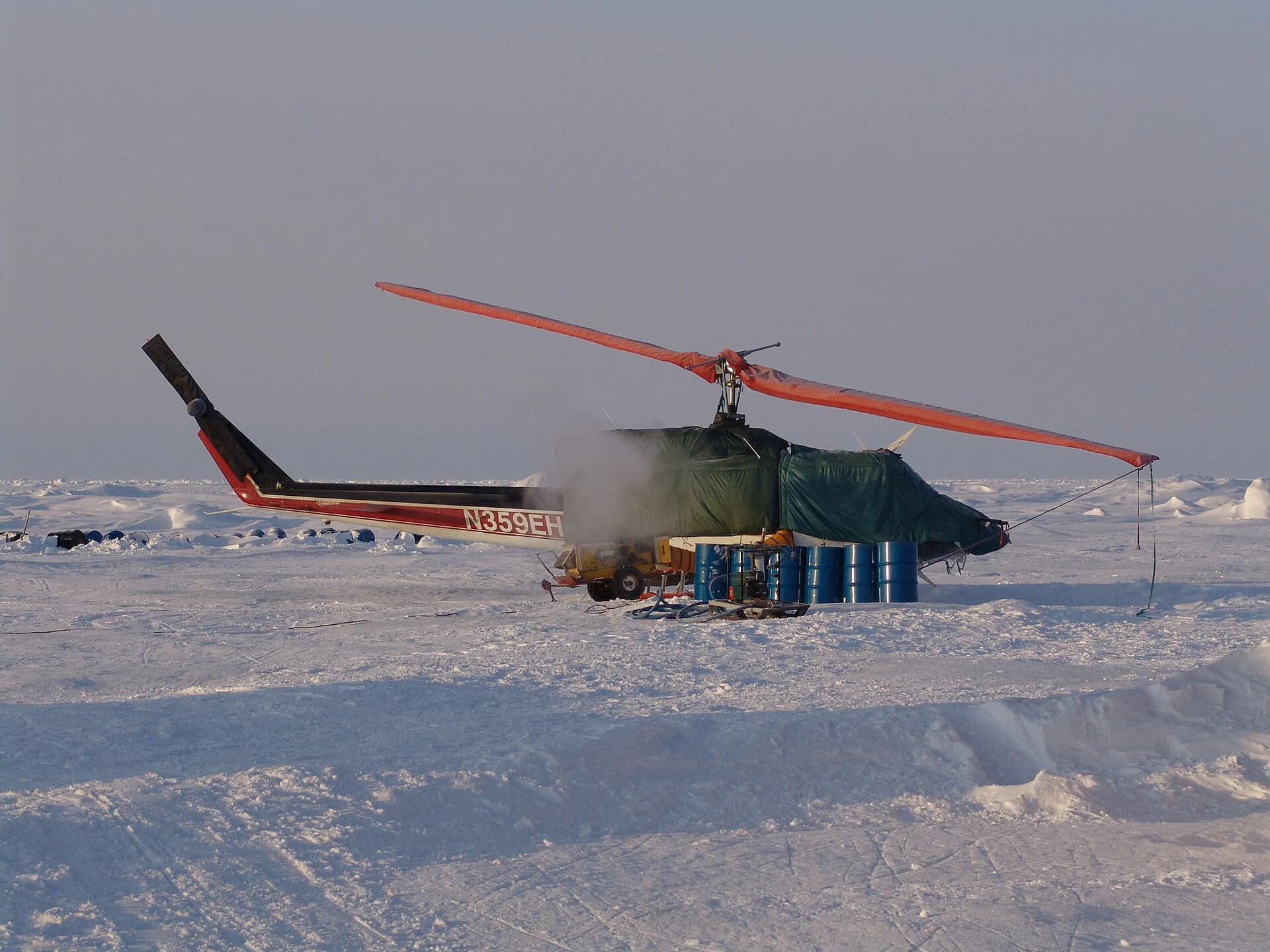
The classic workhorse
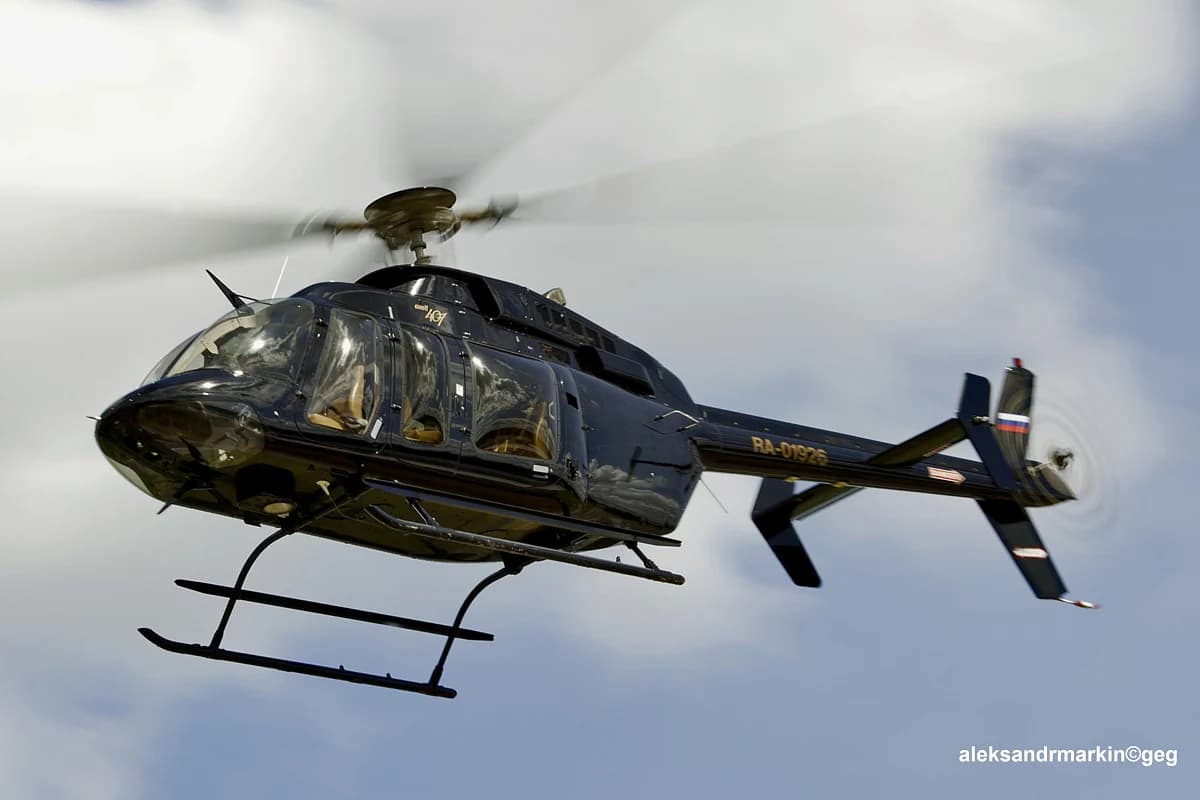
The fast small-group alternative
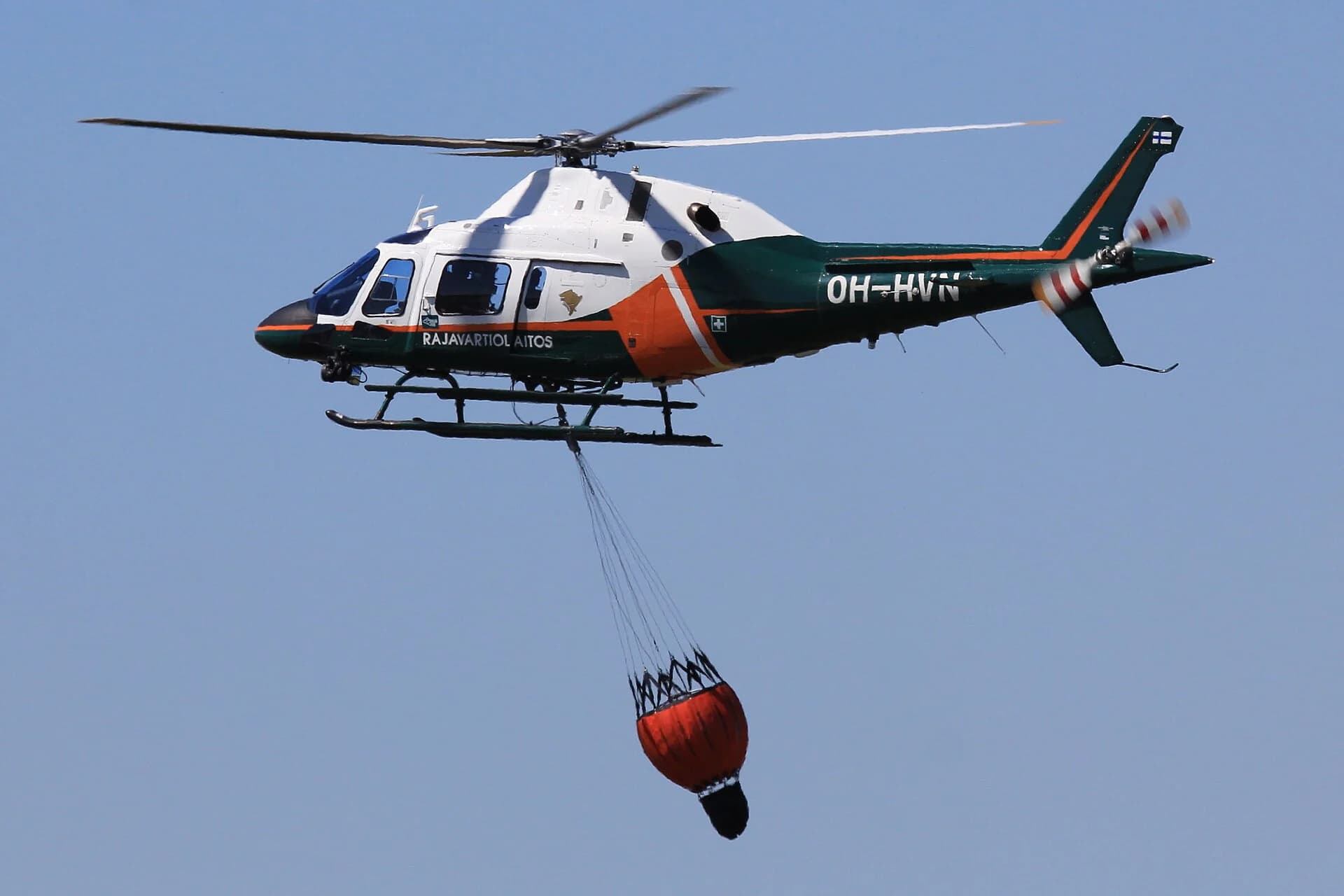
The premium light single
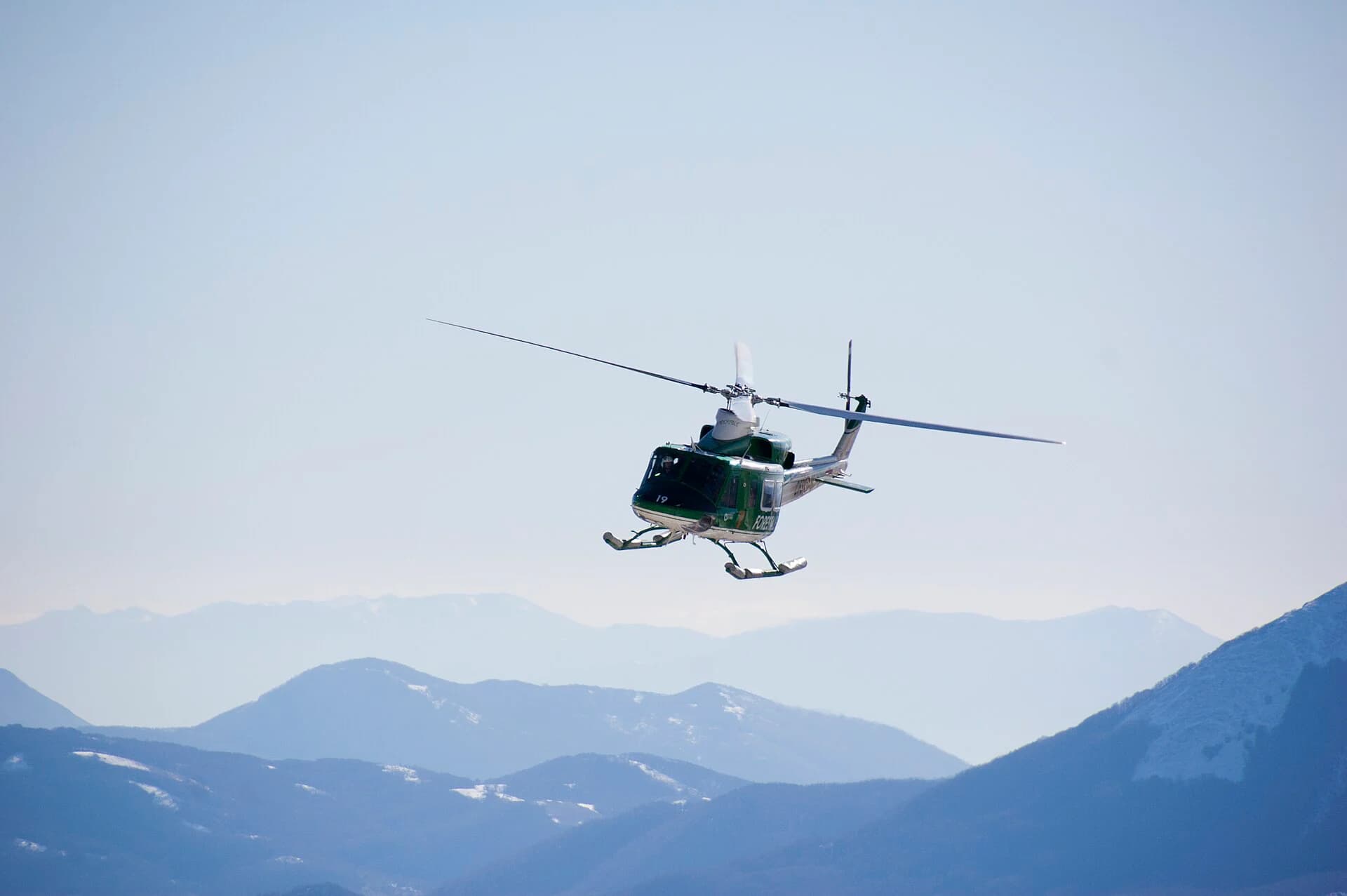
The four-blade medium twin
Regional & specialist
Verified aircraft with a narrower footprint—from private panoramic cabins to legacy high-alpine and snow-safety roles.
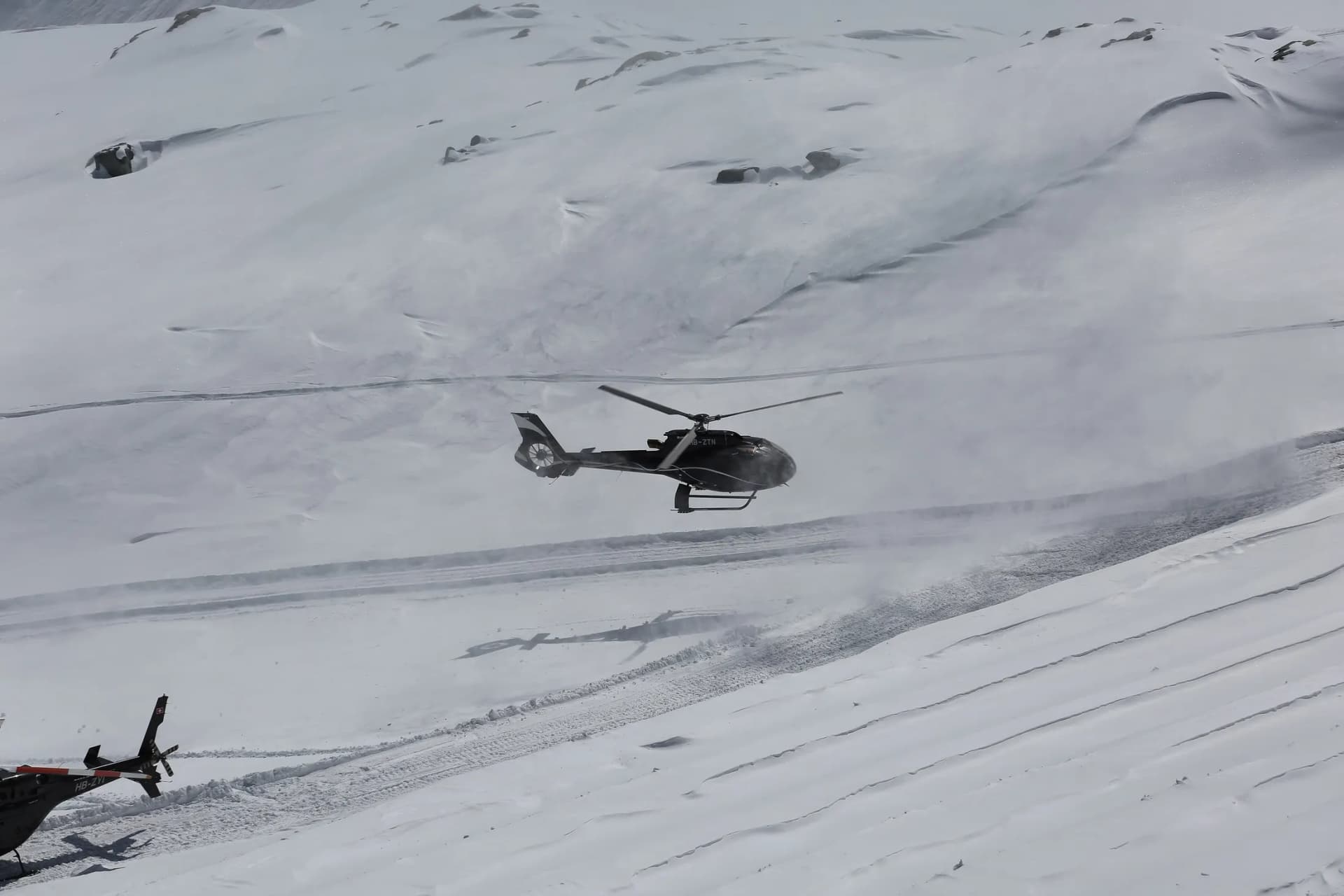
The panoramic light single
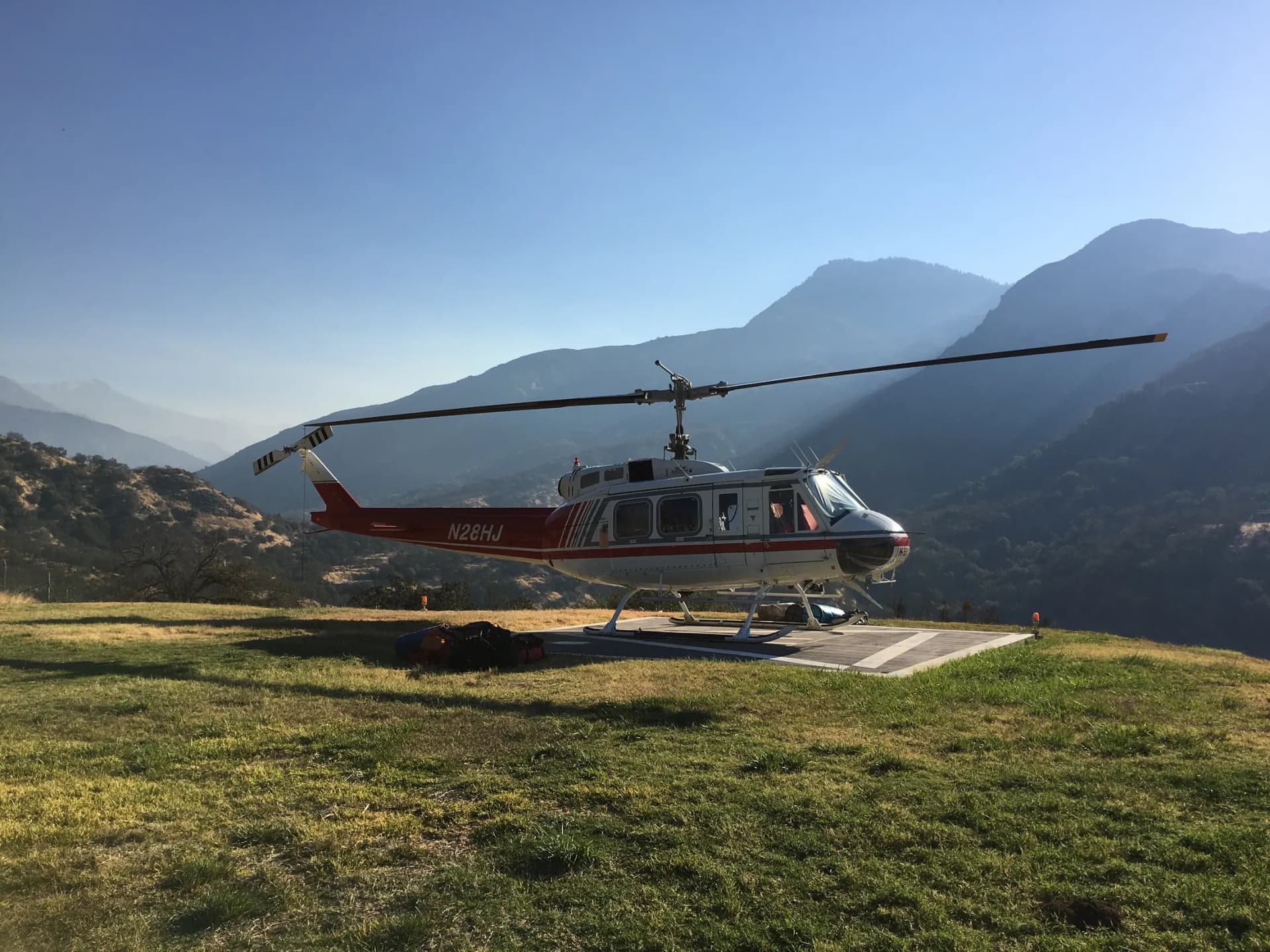
The single-engine big cabin
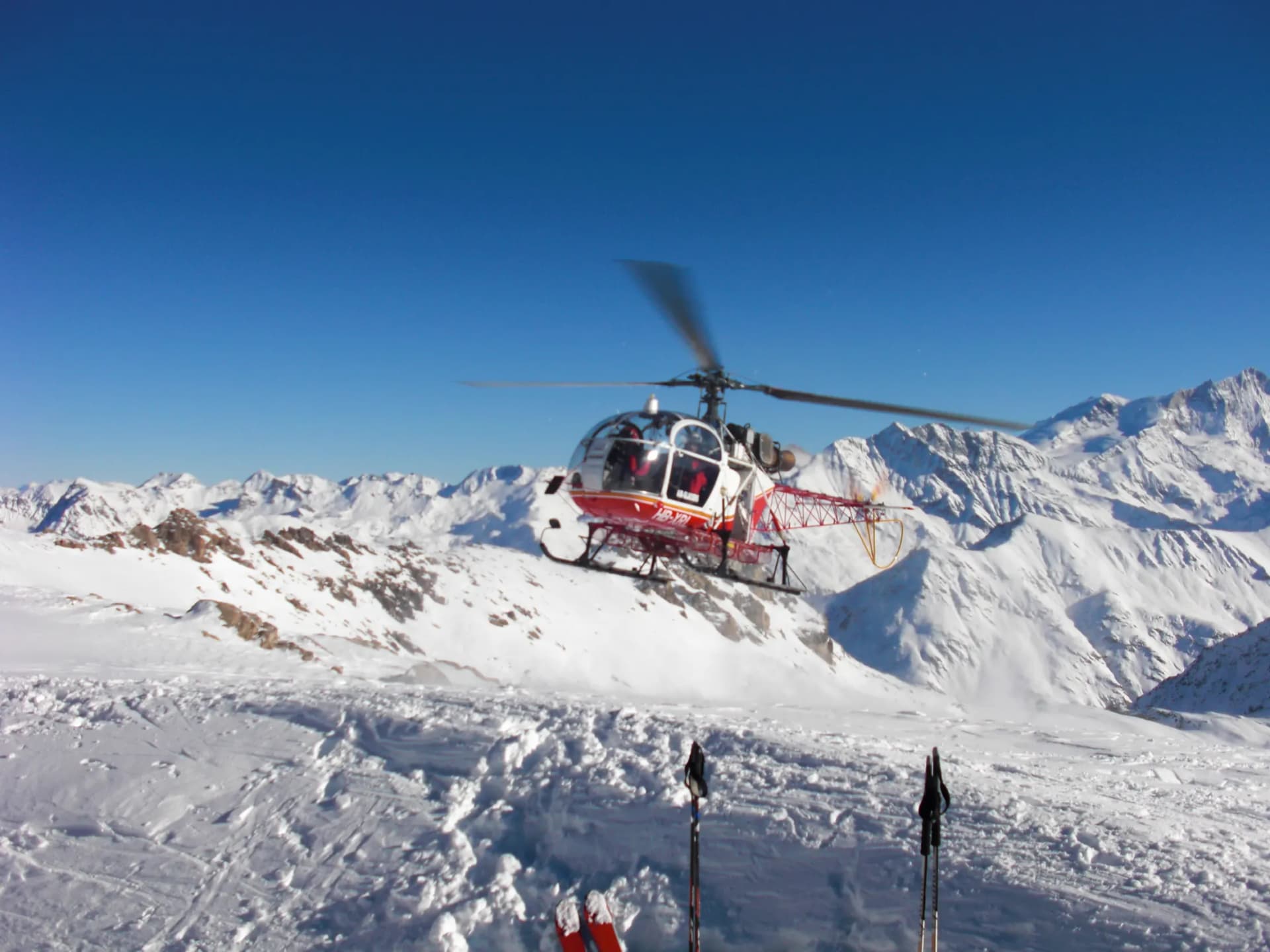
The high-alpine specialist
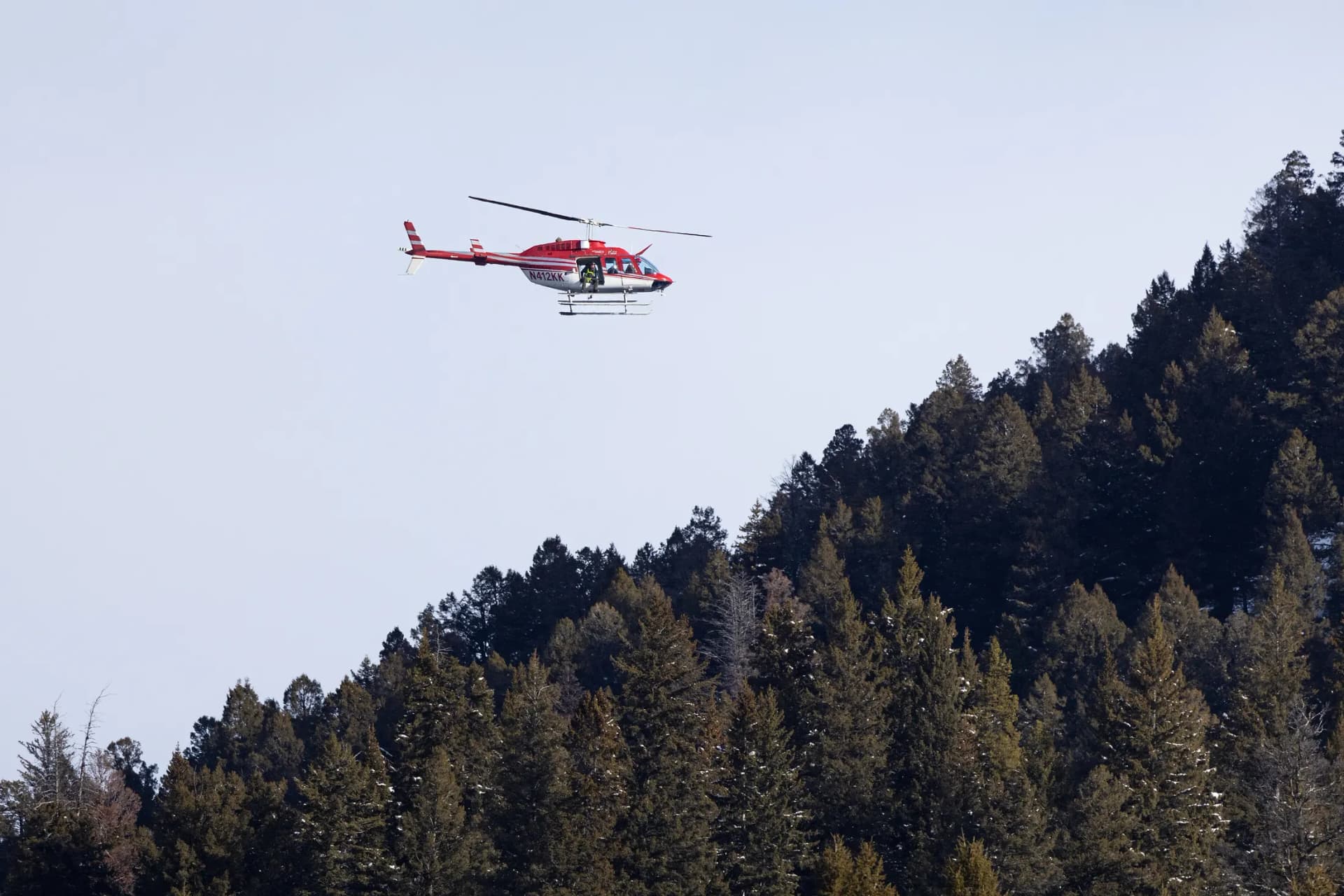
The compact support specialist
What changes
Light singles usually serve one compact group. Medium twins can rotate several groups through the same cabin.
Cabin size, doors and loading order shape every pickup. A practiced group makes the aircraft disappear into the flow of the day.
Altitude, temperature, wind, fuel and load all change performance. A model name alone never tells the whole story.
At a glance
Published aircraft figures are shown separately from typical ski-group formats.
| Aircraft | Class | Engines | Typical heli-ski format | Certified seating | Cruise speed | Rotor |
|---|---|---|---|---|---|---|
| Airbus H125 | Light single | 1 | 3–5 guests | 1 pilot + up to 6 passengers | 136 kt / 252 km/h | 10.69 m |
| Bell 212 | Medium twin | 2 | Large-group format | Up to 14 passengers, configuration dependent | About 100 kt / 185 km/h | 14.63 m |
| Bell 407 | Light single | 1 | 4–5 guests | 1 pilot + 6 passengers | 133 kt / 246 km/h | 10.67 m |
| Leonardo AW119 Koala | Light single | 1 | Up to 5 guests | 1 pilot + up to 7 passengers (or 2 + 6) | 131 kt / 243 km/h | 10.83 m |
| Bell 412 | Medium twin | 2 | Large-group format | 1 pilot + up to 14 passengers | 123 kt / 228 km/h | 14.02 m |
| Airbus H130 | Light single | 1 | 5 guests + guide | 1 pilot + 7 passengers, or 2 + 5 | 128 kt / 237 km/h | 10.69 m |
| Bell 205 | Medium single | 1 | Up to 10 guests + 2 guides | Up to 14 passengers, configuration dependent | About 100 kt / 185 km/h | 14.63 m |
| Aérospatiale SA315B Lama | Light single | 1 | 3 guests + guide | 1 pilot + 4 passengers | 103 kt / 191 km/h | 11.02 m |
| Bell 206 LongRanger | Light single | 1 | Support or compact charter | 1 pilot + 6 passengers | 109 kt / 202 km/h | 11.28 m |
Performance values are manufacturer, authority or cited operator reference figures under stated conditions—not a promise for a particular flight. See each profile for sources and caveats.
Passenger field guide
Learn the 60-second checklist, mountain-flight hazards, role boundaries and why a delay, changed landing site or cancellation can be the safety system working.
Research library
Explore our ranked directory of aircraft, airworthiness, heli-ski, mountain-safety and accident-investigation sources.
Good to know
A few distinctions make every aircraft conversation clearer.
They belong to the same AS350 family. AStar is the common North American name, Squirrel is widely used in New Zealand and other English-speaking markets, and Écureuil is the French name. H125 is the current Airbus designation for the latest production evolution of the AS350 B3e. Earlier variants are related, but not technically identical.
No. The certified figure is an aircraft limit for an approved configuration. A heli-ski manifest also accounts for guides, installed seats, equipment, fuel, altitude, temperature and the operator’s procedures.
Engine count is only one design characteristic. Safety depends on the aircraft, maintenance, operating rules, weather decisions, terrain, pilot experience and the exact phase of flight. This guide does not rank aircraft or operators by safety.
Most heli-ski operations use an external basket or rack designed for long equipment. The loading method and what may stay with a guest are set during the operator’s safety briefing.
No. The first collection covers today’s defining international fleet. The regional and specialist collection documents aircraft with verified heli-ski or snow-safety roles, but some are rare, legacy or mainly used for support rather than standard guest groups.
For passenger behaviour, briefings and no-go decisions, read the helicopter flight safety guide.
Put the guide to work
Join the page
Share a suggestion with our editorial team.
Loading comments…