How to Prepare for Your First Heliskiing Adventure: Essential Tips, Gear, and Expectations 🏔️🚁

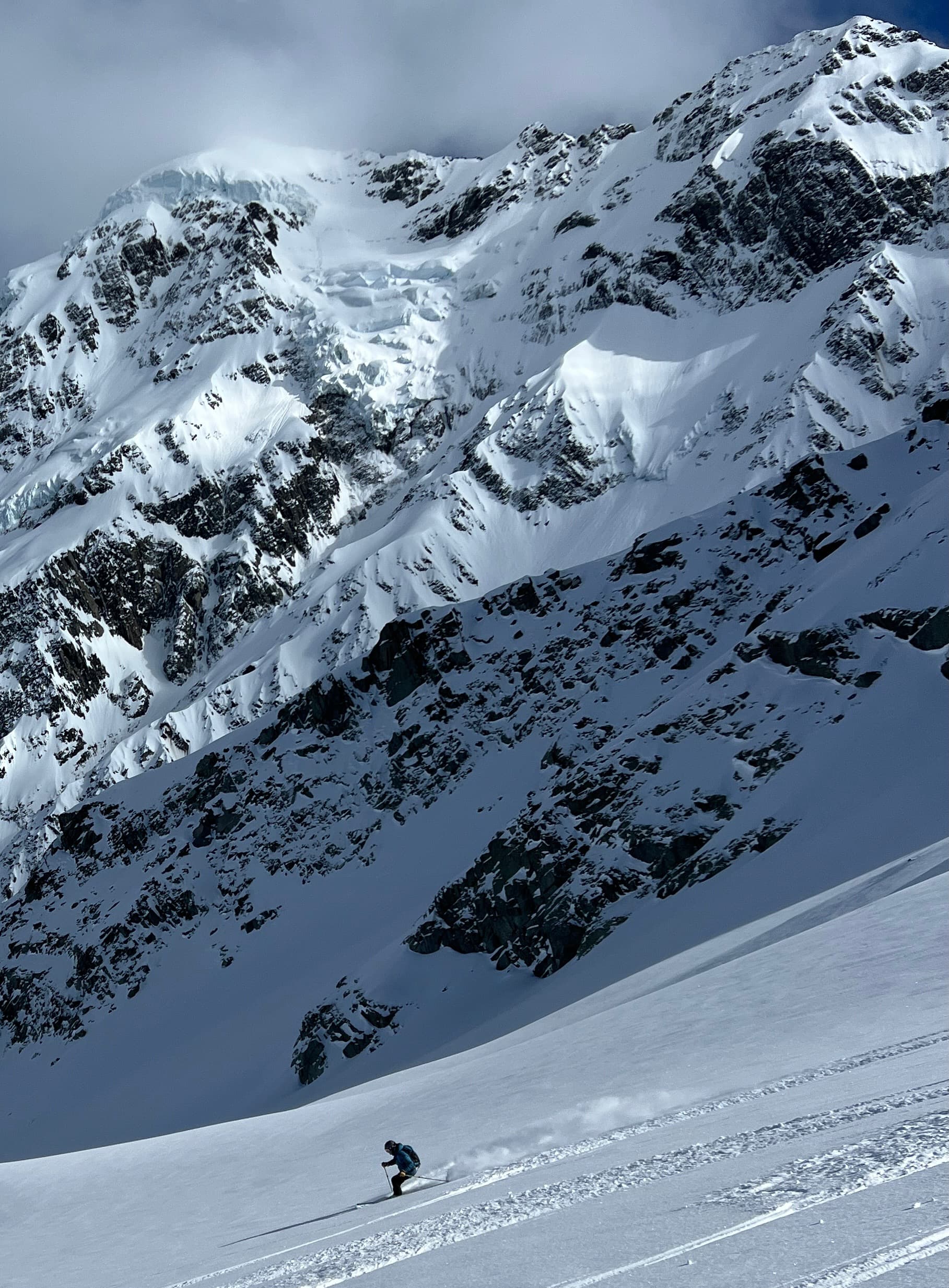
Heliskiing is a high-intensity, extreme sport that requires not only technical skiing skills but also solid physical conditioning and mental preparation. To ensure a safe and successful experience, it's essential to consider the physiological demands and safety protocols associated with the sport.
1. Physiological Demands and Fitness Preparation 🧑🔬
Heliskiing involves rapid elevation changes, high physical exertion, and exposure to extreme weather conditions. To withstand these demands, physical conditioning should focus on:
-
Cardiovascular Endurance: Engaging in aerobic exercises such as running or cycling will improve heart efficiency and oxygen delivery during exertion at high altitudes.
-
Leg Strength and Power: Skiing and snowboarding require significant quadriceps and core strength, which can be developed through squats, lunges, and plyometric exercises.
-
Flexibility and Mobility: Skiing in deep powder and rugged terrain necessitates good flexibility and joint mobility, which can be achieved through regular stretching and yoga.
2. Altitude and Oxygen Levels: Acclimatization 🌬️
Heliskiing often occurs at altitudes above 2,500 meters, where oxygen levels are lower. Exposure to high altitude can result in hypoxia (lower oxygen levels), leading to fatigue, dizziness, and even altitude sickness. To mitigate this, gradual acclimatization is essential:
-
If possible spend a few days at moderate altitude (2,000–3,000 meters) before the heli-skiing excursion to allow your body to adapt.
-
Stays hydrated and avoid alcohol, which can exacerbate symptoms of altitude sickness.
3. Gear: The Role of Specialized Equipment 🧥
In addition to standard skiing equipment, specific gear is necessary to address the safety and environmental demands of heliskiing:
-
Avalanche Safety Gear: A beacon, shovel, and probe are essential for avalanche safety. The beacon allows for the detection of buried individuals, while the shovel and probe are critical for rescue operations.
-
Helicopter-Specific Clothing: Layered clothing to regulate body temperature is critical. Insulated, water-resistant outerwear protects against extreme cold and snow exposure, while moisture-wicking layers help maintain comfort.
-
Helmet and Goggles: Safety helmets are non-negotiable, as they protect against head injuries from falls or impacts with rocks. Anti-fog goggles are important for maintaining visibility in snowy conditions.
4. Safety Protocols and Risk Management ⚠️
Safety is paramount in heliskiing. A well-prepared skier should familiarize themselves with avalanche risk levels, and practice avalanche safety drills prior to their trip. Key safety protocols include:
-
Pre-trip Safety Briefing: Understand the terrain, weather patterns, and potential risks by engaging in a safety briefing provided by your guide. The safety equipment of all skiers is checked.
-
Helicopter Safety: Understand how to safely board and exit the helicopter, and practice using the emergency equipment.
5. Mental Preparation and Stress Response 🧠
Heliskiing requires mental resilience to handle the physical demands, altitude, and potential risks involved. Stress-reducing techniques like mindfulness and controlled breathing can help manage anxiety, particularly when skiing in challenging conditions or when encountering the sheer scale of remote mountain landscapes.
Conclusion: The Science of Thrill and Safety 🏔️
By scientifically preparing your body, understanding the demands of altitude, and equipping yourself with the necessary gear and knowledge, your first heliskiing experience can be exhilarating and safe. Keep in mind that heliskiing is not only about skillful skiing; it’s about readiness—mentally, physically, and with respect to your surroundings.
Are you ready to experience the rush of skiing on the roof of the world? With the right preparation, you’ll be primed for an unforgettable adventure!
Read next
Gear & Skills · Article
Bella Coola Heliski: Exclusive Wilderness Adventures with Heliski International
At Heliski International, we partner with the world’s top heliski operators to offer our clients the most unforgettable experiences in the mountains. Bella Coola Heliski, one of our exclusive operators, takes heliskiing to a whole new…
11 Feb 2025
Planning · Explainer
A Heli-Ski Trip Contingency Map
A question-led framework for choosing the next sensible option when ability, group composition, missing gear, weather or travel disruption alters a heli-ski trip.
25 Aug 2026
Snow & Safety · Article
Heliskiing in Eastern British Columbia: A Snowy Paradise in the Heart of the Rockies
Located in the heart of Canada’s stunning Rocky Mountains, Eastern British Columbia, or East Kootenay, offers some of the best heliskiing experiences in North America. Known for its deep powder and breathtaking mountain landscapes, this…
18 Dec 2024